To choose a stroller, start with the hardest part of the trip you repeat every week: newborn car transfers, stairs, a small trunk, rough sidewalks, running, or moving two children. Pick the category that solves that constraint, verify the child-stage setup, then compare folded size, lifting weight, wheels, storage, and total cost. The right stroller removes daily friction without adding features you will not use.
Choose in the order that prevents expensive mistakes
First, confirm how many children will ride and which manufacturer-approved setup supports each child's current stage. Second, map the route you repeat most often. Third, measure the spaces and lifting limits that can make a stroller unusable. Only then should you compare categories, brands, or fabrics.
This order keeps a compelling feature from hiding a basic mismatch. A large basket cannot rescue a stroller that does not fit the trunk, and a tiny fold cannot rescue one whose wheels make the daily sidewalk miserable.
Start with the child stage and number of riders
For newborn use, verify that the exact stroller seat mode, bassinet, or infant car-seat combination is approved by the manufacturer for that stage. A deep-looking recline or a compatible-looking adapter is not enough.
For two children, verify both positions in the exact configuration you plan to use. A stroller may support two riders overall while limiting which seat, bassinet, infant car seat, or ride-along board can be used in each position.
For an older baby or toddler, prioritize the everyday seat: usable recline, canopy, foot support, harness access, basket access, and enough room for the expected years of use.
Map the route the stroller will repeat every week
Write down the real route: stairs or elevator, car or transit, smooth pavement or broken sidewalks, narrow stores or open paths, daycare storage, grocery loads, and where the stroller will live at home.
Name the hardest repeated moment. It may be carrying the folded stroller to a third-floor apartment, fitting it beside groceries, steering one-handed on rough pavement, transferring a newborn from the car, or loading two children without blocking a doorway.
Choose the category that fixes that moment first. Occasional edge cases matter, but they should not make the repeated trip harder every day.
Measure before you compare feature lists
Measure the trunk opening and usable cargo floor, not only the largest interior dimension. Measure the narrowest doorway, elevator, closet, or daycare space the stroller must pass through or occupy.
Then decide what you can lift repeatedly. Published stroller weight can exclude accessories or a second seat, so compare the weight of the setup you will actually carry and the shape it makes when folded.
Decide whether one stroller should do everything
One stroller is simplest when the same route dominates both daily life and travel. A full-size or compact everyday stroller can cover most needs if its child-stage support, wheels, fold, and storage all fit that routine.
Two simpler strollers can make more sense when the jobs conflict: full-size comfort for long neighborhood walks plus a lightweight fold for stairs or flights. Compare that combined cost and storage burden with the compromises of one do-everything stroller.
Do not buy a convertible single-to-double stroller only because another child is possible someday. Price its second seat and adapters, check the usable configurations, and decide whether the extra size and weight are worth carrying now.
Test the moments that create daily friction
If possible, fold and unfold the stroller while holding something, lift it into a trunk-height space, adjust the harness, reach the basket with the seat reclined, apply the brake, and steer with one hand. These actions reveal more than a long feature list.
Check handlebar comfort for every regular caregiver. Look at wheel size and suspension for the actual terrain, not for an abstract promise of a smooth ride. For jogging, use only a stroller and child-stage setup the manufacturer explicitly approves for running.
Before buying, read the current manual, confirm the exact car-seat adapter or bassinet combination, and search the model name in the CPSC recall database. Repeat those checks for a used stroller and confirm that required parts are present.
Set a real budget, including the setup you need
Add the stroller, infant car-seat adapter, bassinet, second seat, ride-along board, rain cover, travel bag, cup holder, and any other accessory your routine actually requires. Compare included items as carefully as the base price.
A lower-priced stroller can become expensive after required add-ons. A premium system can also waste money when its expansion paths, luxury materials, or accessories solve problems your family does not have.
Match the routine to a stroller type
Use the repeated trip as the first filter. Then verify the exact product and child-stage setup.
| Main routine | Start with | Tradeoff to check |
|---|---|---|
| Long daily walks and errands | Full-size or all-terrain single | Weight, folded size, and trunk fit |
| Frequent newborn car transfers | Travel system or car-seat stroller | Infant-stage lifespan and long-walk comfort |
| Flights, transit, and travel days | Travel stroller | Small wheels, basket size, and seat comfort |
| Walk-up apartment or repeated lifting | Lightweight stroller | Terrain ability, storage, and newborn support |
| Running or rough paths | Manufacturer-approved jogging stroller | Large fold, tire care, and everyday maneuvering |
| Two children riding now | Double or verified convertible | Width, length, configurations, and full setup cost |
| Parks, sports, and gear-heavy outings | Stroller wagon | Weight, fold, newborn limits, and narrow spaces |
The measurements worth taking
A five-minute measurement check can remove entire categories that will not fit your life.
| Measure | How to check it | Why it matters |
|---|---|---|
| Trunk and opening | Record the opening plus usable cargo length, width, and height | A folded stroller has to pass through the opening and leave room for normal cargo |
| Home storage | Measure the closet, entry, stairs, or elevator used every day | A self-standing fold still needs a safe place to live |
| Narrowest route | Check doors, store aisles, gates, and daycare storage | Open width or tandem length can become the daily bottleneck |
| Repeated lift | Set the maximum weight each caregiver can comfortably lift | Accessories and second seats can make the carried setup heavier than the base stroller |
| Handle height | Have each regular caregiver push and turn the stroller | Poor wrist or shoulder position becomes obvious on longer walks |
Safety checks every shortlist must pass
Approved child-stage setup
Verify the exact seat mode, bassinet, infant car seat, adapter, rider position, and child limits in current manufacturer guidance.
Brakes, harness, and stability
Check for an easy-to-use brake and a five-point harness, keep bags off the handle, and follow the AAP stroller-safety guidance linked below.
Current manual and recalls
Read the manual for the exact model and search current CPSC recalls before buying, especially when shopping used or accepting a hand-me-down.
Stroller Buying Questions
What type of stroller is best for everyday use?
What stroller features matter most?
Do I need a travel system for a newborn?
Is an expensive stroller worth it?
Should I buy one stroller or two?
What should I check before buying a used stroller?
Compare the evidence
Method and Sources
How this page is checked
- This route-first guide narrows stroller type before individual models. It does not claim hands-on testing or replace the exact product manual.
- Product-specific child-stage, car-seat, bassinet, jogging, and multi-rider advice should be checked against current manufacturer manuals and compatibility charts.
- The linked category pages use the site's validated product catalog, manufacturer specifications, manuals, current pricing sources, and CPSC recall searches.
Sources
Keep reading
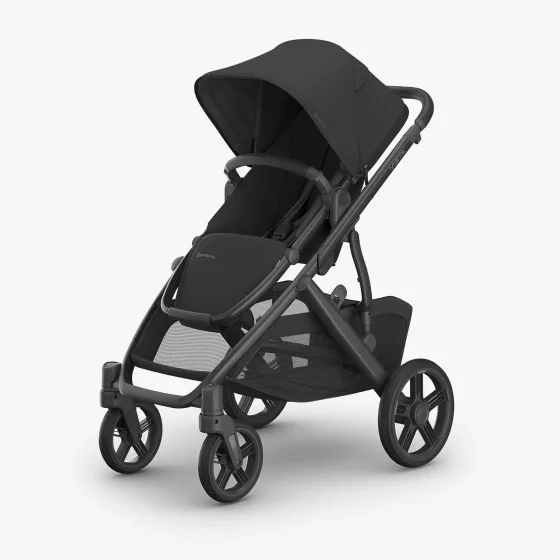
UPPAbaby Vista V3 Review (2026): Pros, Cons, Size & Weight
A source-backed UPPAbaby Vista V3 review covering size, weight, folding, configurations, accessories, total cost, strengths, tradeoffs, and alternatives.
Read next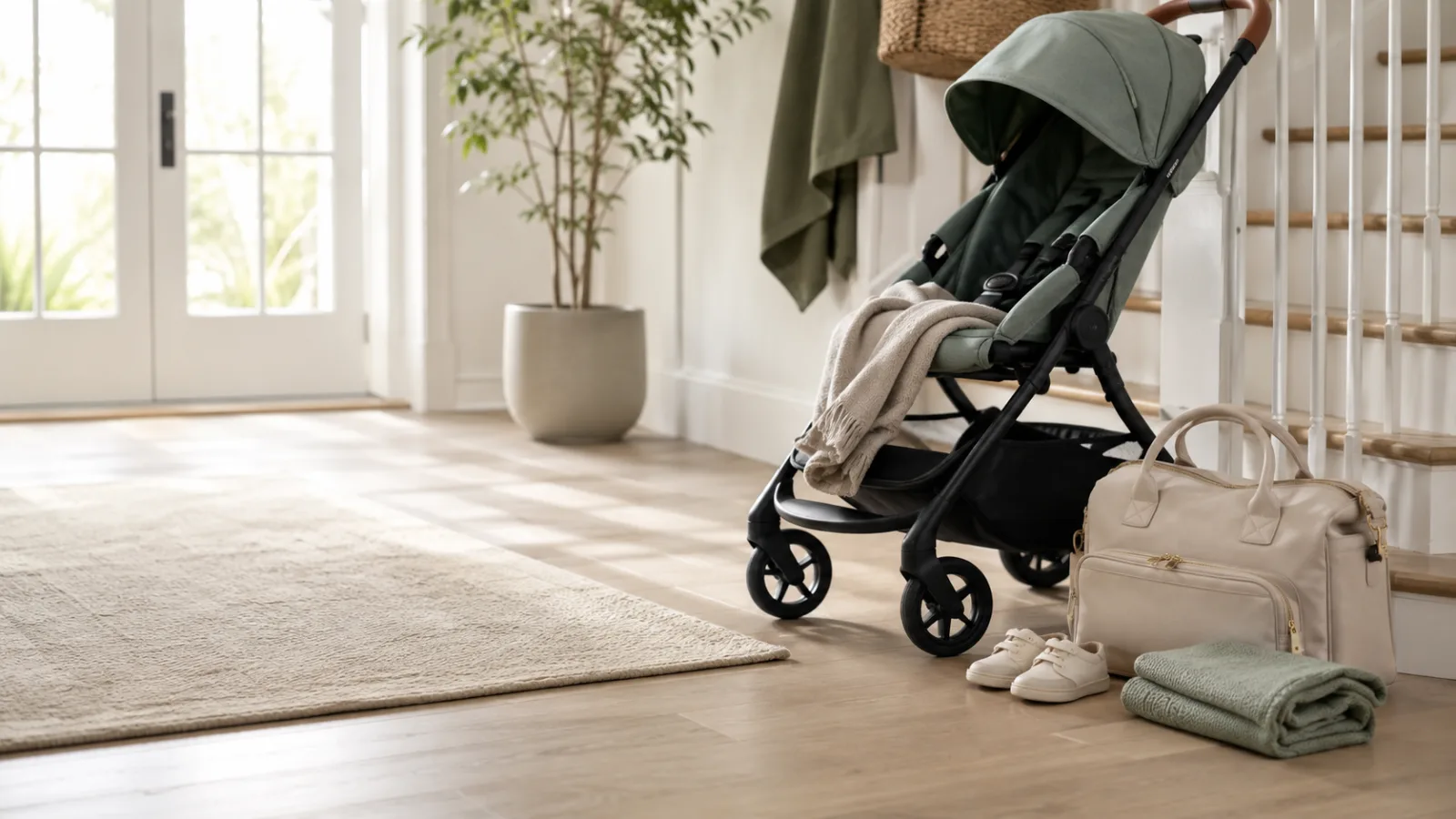
Best Strollers by Family Situation in 2026
Find the best stroller type for newborns, travel, two kids, jogging, apartments, car trunks, rough sidewalks, and everyday errands.
Read next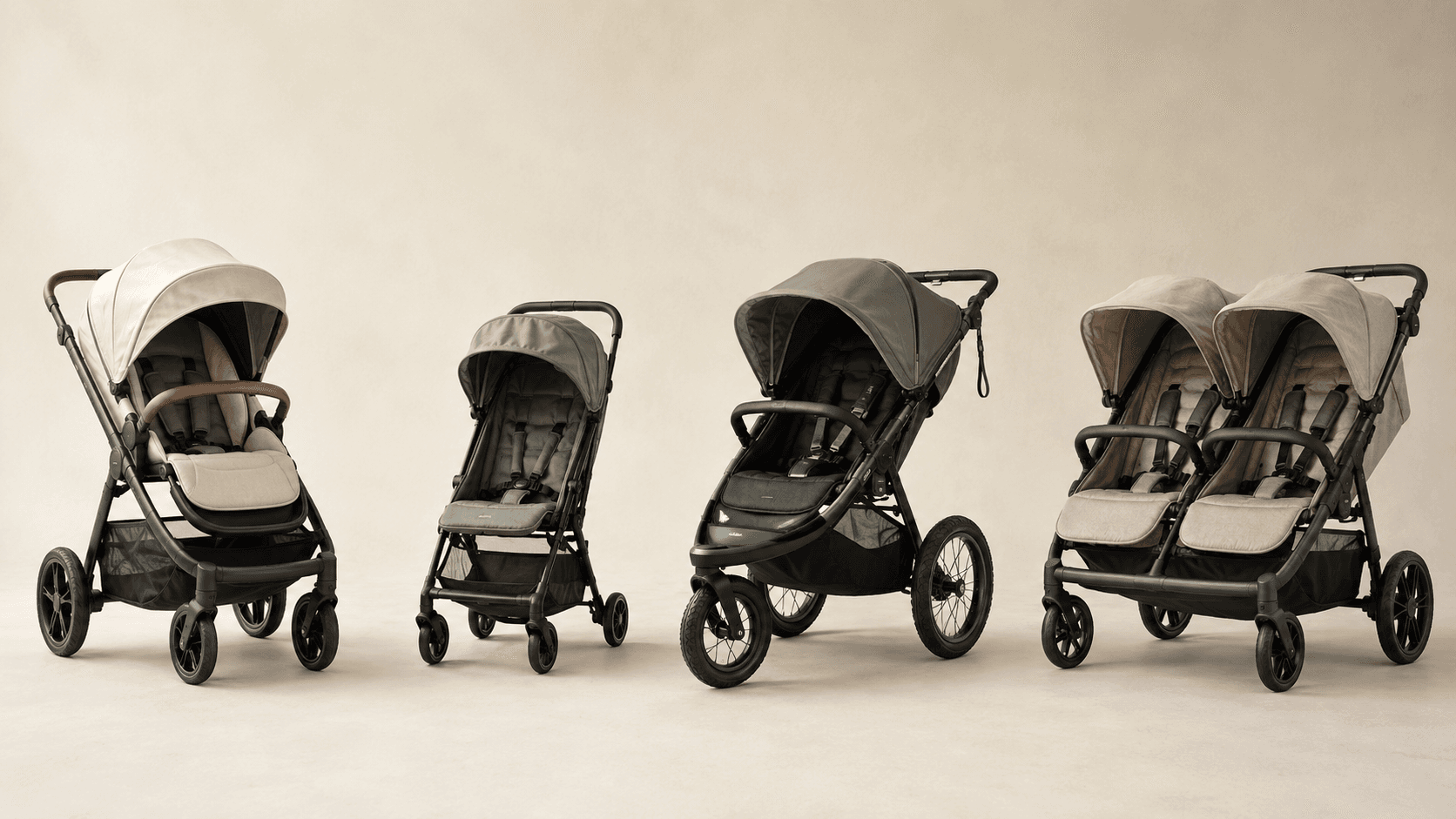
Stroller Types Explained
A clear overview of full-size, lightweight, travel, jogging, double, wagon, and travel-system strollers.
Read next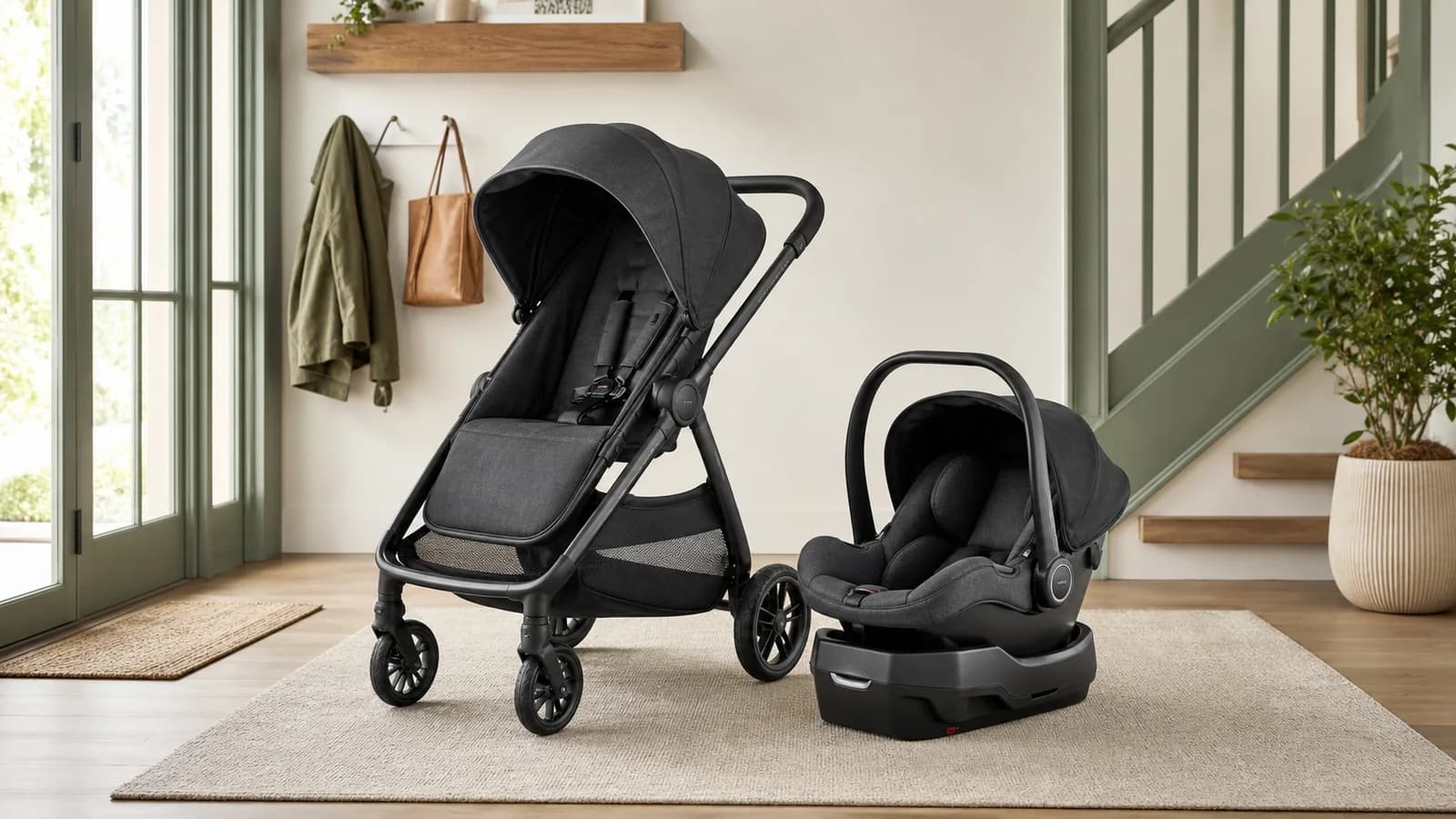
Best Car Seat Stroller Combos for Newborn Routines in 2026
Compare all-in-one car-seat strollers and modular travel systems by newborn handoff, compatibility, stroller longevity, and full setup cost.
Read next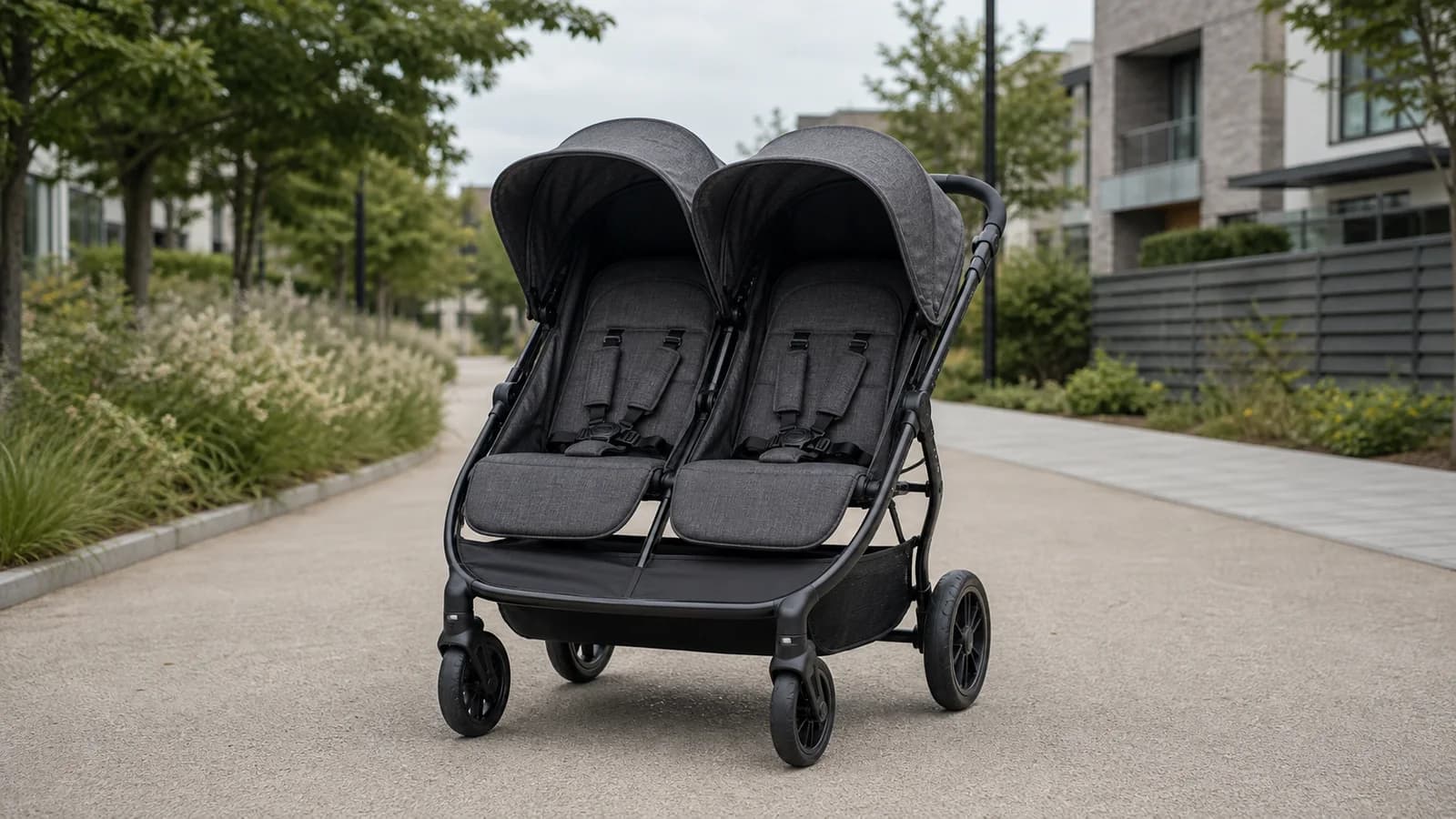
Best Double Strollers for Twins, Travel, and Growing Families in 2026
Compare double strollers for twins, infant-and-toddler routines, travel, narrow doors, small trunks, and jogging.
Read next